Aluminum VS Stainless Steel Kitchen Cabinet, Which One Is Best
Updated: 24 Dec 2025
While newer aluminum is considered the best choice for kitchen cabinets, stainless steel is also a serious competitor. For many people, the choice between aluminum kitchen cabinets and stainless steel kitchen cabinets has always been a question, which one is more suitable for their kitchen? Generally, it isn't easy to give a definitive answer, as everyone's kitchen is unique. Sometimes, the condition of the kitchen may affect the result of choosing which material is more suitable.
Strength
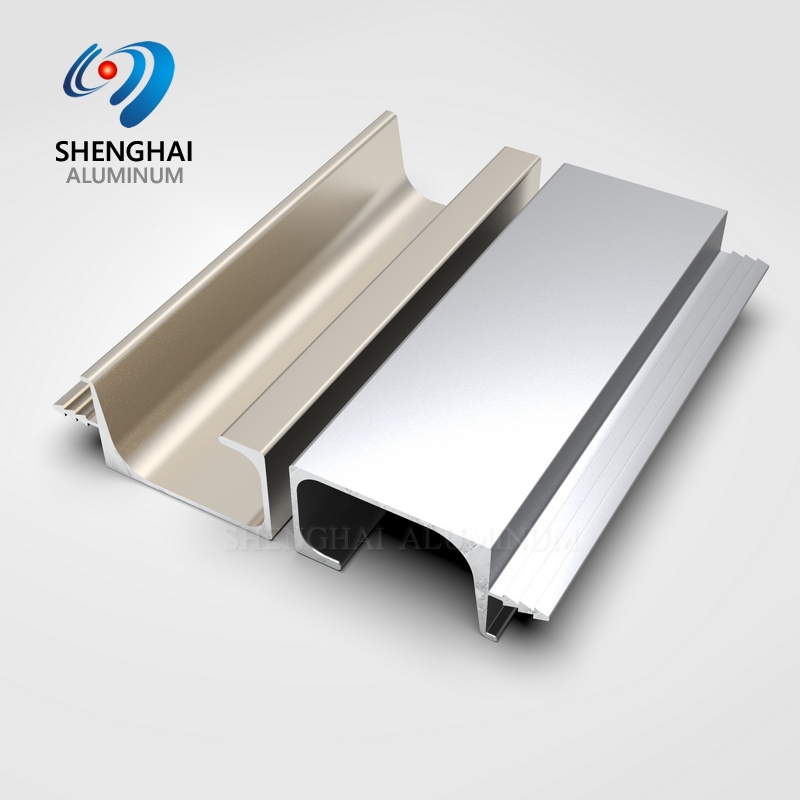
Stainless steel cabinets usually have a reinforced frame and welded stainless steel sheets, so strength is usually not an issue when used in the kitchen. The all-aluminum cabinets are made of extruded aluminum profiles, whose strength is much higher than that of wooden panels, so they are strong enough to use cabinets. The door panels of stainless steel cabinets are generally single-layer and relatively unstable. Therefore, the door panel may vibrate slightly during use. All aluminum cabinets do not have this problem. Aluminum profile welded panels usually have a honeycomb structure, while spliced panels have ribs and a closed structure, and the thickness of the panel is less than 10cm, so it has good stability.
Color
Stainless steel cabinets usually maintain the color of the stainless steel itself, there are few color changes, and only some simple treatments are performed. Aluminum cabinets are different. The processing technology of aluminum profiles is quite mature which can achieve various effects such as simple solid color, atmospheric wood grain, and realistic 3D to adapt to different decoration styles. The price of stainless steel is higher than that of aluminum profiles, and the specific materials used will be determined according to the specific parameters of the cabinet design. Regarding utilization rate, stainless steel cabinets are relatively more common in the commercial field, such as the back kitchen of restaurants, while all-aluminum cabinets are more common in household use.
Indoor Home Use Cabinets
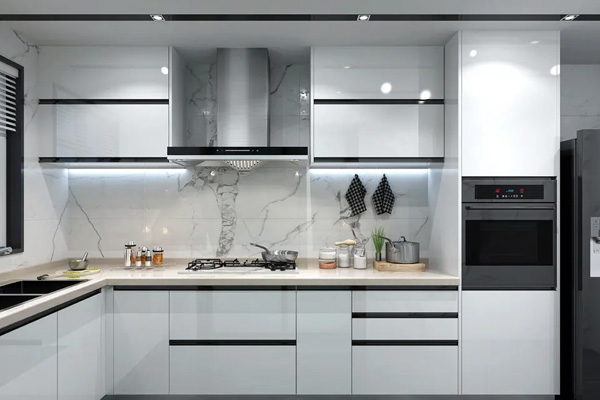
If you choose to use the cabinet at home, the all-aluminium profile is the best choice. All aluminum cabinets have low noise, good luster and rich colors. All-aluminum cabinets are made of splicing aluminum materials and accessories, so the middle is empty, and the sound of aluminum profiles is relatively small. When cooking and using the all-aluminum cabinet, there will not be too much noise, so as to avoid disturbing other people's rest or work. The color and luster of the all-aluminium cabinet is also very good, and the color is also very rich. Through the wood grain transfer technology, the appearance of the all-aluminum cabinet can achieve the same effect as the solid wood texture, so the style of the all-aluminum cabinet is very good.
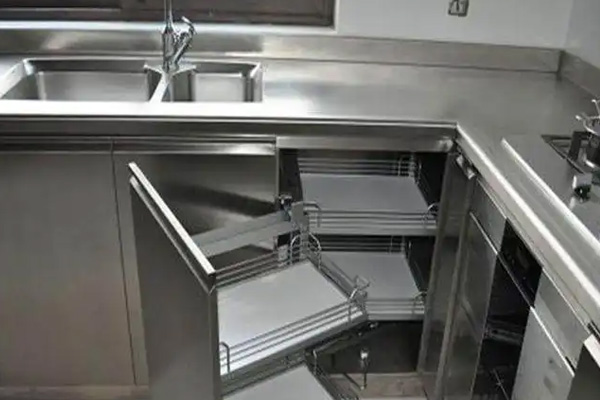
Stainless steel itself contains iron, which will rust over time. Although stainless steel cabinets are also considered a good piece of furniture, they generally do not perform as well as all-aluminum cabinets. For example, many stainless steel cabinets on the market need better quality, similar to iron. They will rust after a long use and produce a lot of noise. It's very loud when you tap your hand. In addition, the color of stainless steel cabinets could be better, the heat dissipation is fast, and there are defects such as welding. The all-aluminum cabinets are spliced with aluminum materials, without gaps, and with better density.
Aluminum itself has excellent resistance to oil stain adhesion. Daily maintenance is extremely simple. In most cases, just wipe the cabinet's surface with a damp cloth to remove grease, dust, water stains, and other dirt. Meanwhile, the surface of aluminum kitchen cabinet is usually smooth and dense, not adsorbing oil stains, which greatly saves maintenance time.
Although the surface of stainless steel cabinets is smooth, fingerprints and water stains are very easy to leave behind. When cleaning, a special stainless steel cleaner must be used to thoroughly remove the marks. If a regular cloth is used for wiping, it is easy to leave watermarks and fiber residues, which will affect the appearance. Moreover, if the stainless steel cabinet body comes into contact with acidic seasonings such as vinegar or lemon juice and is not cleaned promptly, slight corrosion spots may appear on its surface.
Stainless steel is protected against corrosion by forming a protective film with special elements. Although this film is stable, it is relatively thin and takes a long time to repair once it breaks. If the gaps in the cabinet and the hinge holes are not cleaned thoroughly, rust spots may also develop. In addition, stainless steel is sensitive to strong acids and alkalis. If high-concentration vinegar or lemon juice is spilled on it and not wiped off in time, it will leave marks. The grease in the cooking fumes may also seep into the fine lines on the surface, making it very difficult to wipe clean.
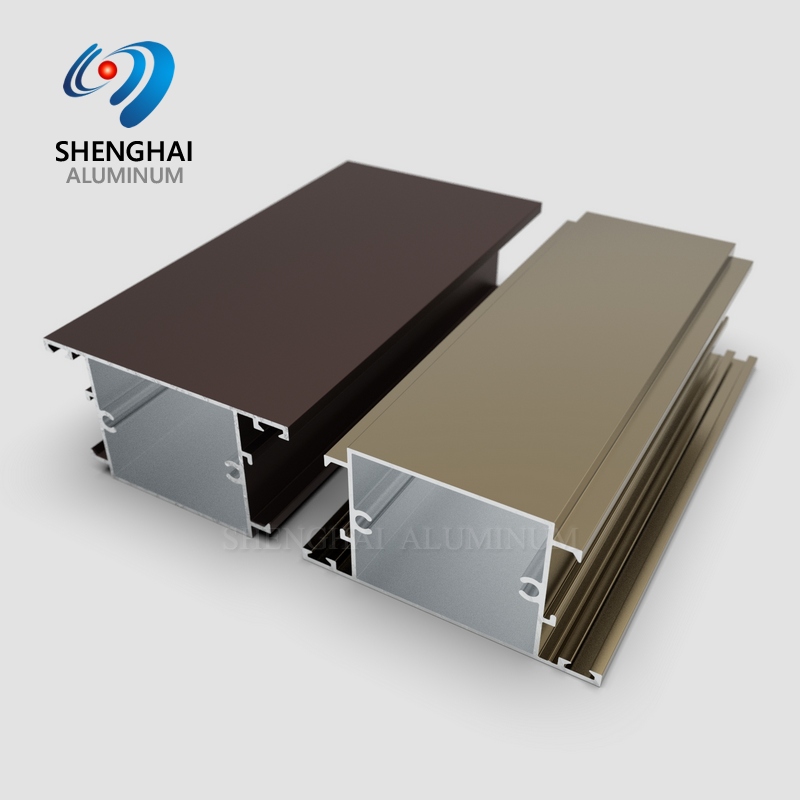
The surface treatment of aluminium kitchen cabinets is not only anti-corrosive but also aesthetically pleasing. There are many types of craftsmanship, which can be customized to one's own needs, making them suitable for various decoration styles. Anodizing is a commonly used basic process for aluminum kitchen cabinets that can thicken the protective surface film, making it more wear- and scratch-resistant. It can also be made in various colors such as matte black, champagne gold, and bronze. The color seeps into the protective film and is not easy to fade.
The powder coating process can apply a uniform coating to the cabinet's surface. After high-temperature curing, it is impact-resistant and resists fading. There are many color options available, and it can be made into wood grain, stone grain, fabric grain, and other shapes. It can be matched with various door panels, such as solid wood and rock plate, and can be used in any decoration style. The greatest advantage of aluminium kitchen cabinets is their flexible customization, which can accommodate a range of design styles and personalized preferences.
The surface treatment of stainless steel cabinets primarily aims to enhance the texture. The craftsmanship is relatively simple, and the customization options are limited. Brushing is the most commonly used method for stainless steel cabinets. Grinding forms parallel textures that can cover minor scratches and fingerprints. However, it is only available in the stainless steel color and cannot be customized to other colors. The style leans towards industrial, and the applicable decorative styles are relatively limited.
Polishing can make the surface as bright as a mirror, with a strong visual effect, but it is particularly prone to fingerprints and water stains and is difficult to maintain daily. The disadvantages of stainless steel kitchen cabinets are quite obvious. Their color and shape are restricted by the material, making it impossible to produce complex shapes and diverse colors, and they are less compatible with various styles. Moreover, it is very difficult to bend and form thicker stainless steel, and the cost of irregularly shaped cabinets is particularly high.
For home cabinets, aluminum profiles are the best choice. Aluminum cabinets are rich in design and can be matched according to the decoration style of the house. Aluminum cabinets are not only furniture but also play a decorative role. SHENGHAI Aluminum is a professional aluminum extrusion and deep processing one-stop service manufacturer. No matter if you have any aluminum profile projects, you can contact us.

Stainless steel cabinets usually have a reinforced frame and welded stainless steel sheets, so strength is usually not an issue when used in the kitchen. The all-aluminum cabinets are made of extruded aluminum profiles, whose strength is much higher than that of wooden panels, so they are strong enough to use cabinets. The door panels of stainless steel cabinets are generally single-layer and relatively unstable. Therefore, the door panel may vibrate slightly during use. All aluminum cabinets do not have this problem. Aluminum profile welded panels usually have a honeycomb structure, while spliced panels have ribs and a closed structure, and the thickness of the panel is less than 10cm, so it has good stability.
Color
Stainless steel cabinets usually maintain the color of the stainless steel itself, there are few color changes, and only some simple treatments are performed. Aluminum cabinets are different. The processing technology of aluminum profiles is quite mature which can achieve various effects such as simple solid color, atmospheric wood grain, and realistic 3D to adapt to different decoration styles. The price of stainless steel is higher than that of aluminum profiles, and the specific materials used will be determined according to the specific parameters of the cabinet design. Regarding utilization rate, stainless steel cabinets are relatively more common in the commercial field, such as the back kitchen of restaurants, while all-aluminum cabinets are more common in household use.
Indoor Home Use Cabinets
If you choose to use the cabinet at home, the all-aluminium profile is the best choice. All aluminum cabinets have low noise, good luster and rich colors. All-aluminum cabinets are made of splicing aluminum materials and accessories, so the middle is empty, and the sound of aluminum profiles is relatively small. When cooking and using the all-aluminum cabinet, there will not be too much noise, so as to avoid disturbing other people's rest or work. The color and luster of the all-aluminium cabinet is also very good, and the color is also very rich. Through the wood grain transfer technology, the appearance of the all-aluminum cabinet can achieve the same effect as the solid wood texture, so the style of the all-aluminum cabinet is very good.
Which Material is Easier to Maintain
In daily kitchen use, aluminum kitchen cabinets are easier to maintain and have lower overall maintenance costs, making them more suitable for the complex environment of high oil fumes and high humidity.Aluminum itself has excellent resistance to oil stain adhesion. Daily maintenance is extremely simple. In most cases, just wipe the cabinet's surface with a damp cloth to remove grease, dust, water stains, and other dirt. Meanwhile, the surface of aluminum kitchen cabinet is usually smooth and dense, not adsorbing oil stains, which greatly saves maintenance time.
Although the surface of stainless steel cabinets is smooth, fingerprints and water stains are very easy to leave behind. When cleaning, a special stainless steel cleaner must be used to thoroughly remove the marks. If a regular cloth is used for wiping, it is easy to leave watermarks and fiber residues, which will affect the appearance. Moreover, if the stainless steel cabinet body comes into contact with acidic seasonings such as vinegar or lemon juice and is not cleaned promptly, slight corrosion spots may appear on its surface.
Aluminum VS Stainless Steel: What are the differences in corrosion resistance and surface treatment?
The surface of aluminium is coated with an extremely thin and dense aluminium oxide film. Through processes such as anodizing, powder coating, and electrophoresis, this natural film is strengthened several times, effectively isolating moisture and oxygen. Therefore, aluminium alloy will not rust fundamentally.Stainless steel is protected against corrosion by forming a protective film with special elements. Although this film is stable, it is relatively thin and takes a long time to repair once it breaks. If the gaps in the cabinet and the hinge holes are not cleaned thoroughly, rust spots may also develop. In addition, stainless steel is sensitive to strong acids and alkalis. If high-concentration vinegar or lemon juice is spilled on it and not wiped off in time, it will leave marks. The grease in the cooking fumes may also seep into the fine lines on the surface, making it very difficult to wipe clean.
The surface treatment of aluminium kitchen cabinets is not only anti-corrosive but also aesthetically pleasing. There are many types of craftsmanship, which can be customized to one's own needs, making them suitable for various decoration styles. Anodizing is a commonly used basic process for aluminum kitchen cabinets that can thicken the protective surface film, making it more wear- and scratch-resistant. It can also be made in various colors such as matte black, champagne gold, and bronze. The color seeps into the protective film and is not easy to fade.
The powder coating process can apply a uniform coating to the cabinet's surface. After high-temperature curing, it is impact-resistant and resists fading. There are many color options available, and it can be made into wood grain, stone grain, fabric grain, and other shapes. It can be matched with various door panels, such as solid wood and rock plate, and can be used in any decoration style. The greatest advantage of aluminium kitchen cabinets is their flexible customization, which can accommodate a range of design styles and personalized preferences.
The surface treatment of stainless steel cabinets primarily aims to enhance the texture. The craftsmanship is relatively simple, and the customization options are limited. Brushing is the most commonly used method for stainless steel cabinets. Grinding forms parallel textures that can cover minor scratches and fingerprints. However, it is only available in the stainless steel color and cannot be customized to other colors. The style leans towards industrial, and the applicable decorative styles are relatively limited.
Polishing can make the surface as bright as a mirror, with a strong visual effect, but it is particularly prone to fingerprints and water stains and is difficult to maintain daily. The disadvantages of stainless steel kitchen cabinets are quite obvious. Their color and shape are restricted by the material, making it impossible to produce complex shapes and diverse colors, and they are less compatible with various styles. Moreover, it is very difficult to bend and form thicker stainless steel, and the cost of irregularly shaped cabinets is particularly high.
For home cabinets, aluminum profiles are the best choice. Aluminum cabinets are rich in design and can be matched according to the decoration style of the house. Aluminum cabinets are not only furniture but also play a decorative role. SHENGHAI Aluminum is a professional aluminum extrusion and deep processing one-stop service manufacturer. No matter if you have any aluminum profile projects, you can contact us.